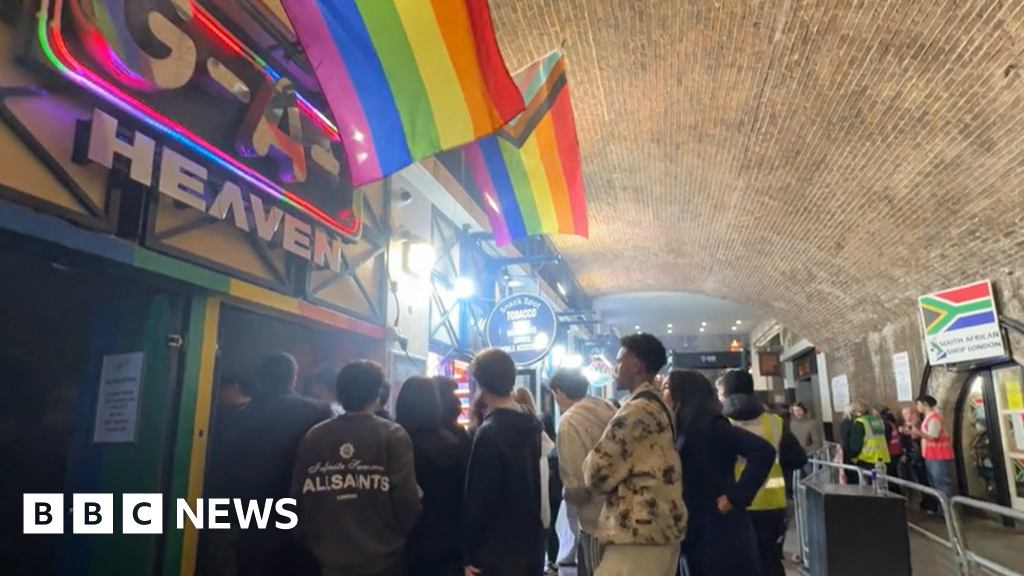
London's nightlife scene is not dying but is instead undergoing significant evolution to adapt to new economic realities. While the desire to go out remains strong among young people, soaring costs are compelling clubs and venues to rethink their operations and offerings.
Traditionally, London's vibrant nightlife has been a cornerstone of its cultural identity, attracting both locals and tourists alike. However, recent financial pressures, including increased rent, energy prices, and licensing fees, have posed challenges for nightlife establishments. Despite these hurdles, the demand for socializing and entertainment persists among young adults, who continue to seek out venues for music, dance, and social gatherings.
In response, many clubs are innovating by introducing more flexible pricing strategies, hosting themed nights, and leveraging technology to enhance customer experience. Some venues are also diversifying their services, offering food and beverage packages, or integrating live streaming options to reach a broader audience. These adaptations aim to maintain the vibrancy of London's nightlife while ensuring financial sustainability.
Moreover, the city is witnessing a shift towards more sustainable and community-focused nightlife models. Smaller, independent venues are gaining popularity by fostering unique atmospheres and supporting local artists. This grassroots movement is helping to preserve the diverse cultural fabric of London's nightlife scene.
Authorities and industry stakeholders are also working together to support the sector through policy adjustments and grants. The goal is to create an environment where nightlife can thrive despite economic challenges, ensuring that London's reputation as a global entertainment hub endures.
Ultimately, the evolution of London's nightlife reflects resilience and adaptability. While the landscape may look different from a decade ago, the core spirit of socializing and entertainment remains strong, promising a dynamic future for the city's night scene.